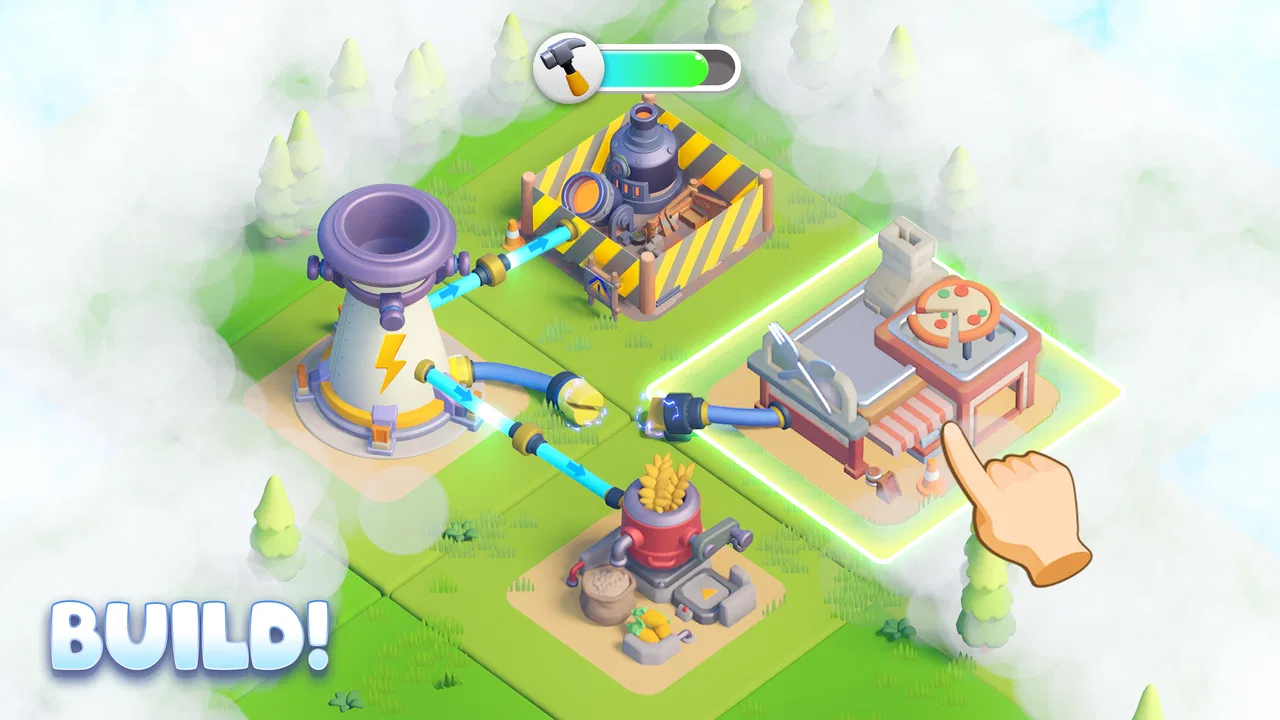
Tiles Survive!
- 4.4
- Rating
- 10.00M
- Installs
- Free
- Price

 Analysis by App-foxy
I spent time with Tiles Survive as a casual strategy game, and my first impression was that it asks for a different kind of attention than a traditional, long-form strategy title. Its short store description, “Tiles Survive,” is simple, but the appeal is easy to understand: the game is built around making progress through tile-based decisions while trying to stay alive and build toward victory. That makes it approachable when I only have a few minutes, yet it still leaves room for mistakes that can make a session feel less relaxed than the word “casual” suggests.
The game comes from FunPlus International AG and is free to start on Android. It is rated Teen, runs on Android 7.0 or later, and the current version is 2.4.300. Those details matter because this is the sort of game many people will install on an older phone or pick up without much preparation. In my experience, the most important question is not whether the basic idea sounds attractive; it is whether the game fits your patience, your device, and your preferred style of progress.
Where players usually get stuck
The first point of friction is understanding what the game expects from each move. Tile-based strategy can look harmless because the actions are small, but a poor choice early in a run can affect everything that follows. I found it useful to slow down during the opening moments instead of treating every tile as something to clear immediately. The safest habit is to look at the whole available arrangement, identify the move that preserves the most future options, and only then commit.
You May Also Like

 Pandora - Music & Podcasts
Pandora’s Music Is Easy to Start, but Harder to Recover
Pandora’s strength is its low-effort path from a seed to a station. Its weak spot is how much confidence it asks you to place in connection, setup, and quiet recovery.

 8 Ball Pool
 Is Built on Rivalries, Rematches, and Routine
A close look at the rivalries, rematches, shared routines, and unanswered safety questions that turn a quick pool match into a persistent mobile community.

 Samsung Music
’s Quiet Strength Is Playing What You Already Own
Its reach comes less from spectacle than from dependable access to a personal library. That simplicity is both the app’s strongest retention engine and its ceiling.

 AccuWeather: Weather Radar
AccuWeather Review: A Quick, Clear Forecast for Everyday Decisions
For everyday plans, the best forecast is the one you can understand quickly. AccuWeather makes rain timing, radar, and local conditions easy to act on, with a few trade-offs.

 Hill Climb Racing
Why Hill Climb Racing Still Turns Crashes Into One More Run
A tiny car, a bumpy hill and one more upgrade: Hill Climb Racing keeps resurfacing because its simple chaos makes every near-miss feel personal.

 AliExpress - Shopping App
AliExpress Makes Global Shopping Feel Personal, but Shoppers Bear the Risk
AliExpress turns a global marketplace into a pocket-sized discovery engine. Its reach is useful, its shopping loop compelling, and its trade-offs easy to miss.
More From Our News Desk
View All News


That sounds obvious, but it is where the casual presentation can mislead you. A bright, compact board encourages quick tapping, especially when you are playing during a short break. I had better results when I treated each turn as a small planning problem rather than a reflex challenge. If you are repeatedly losing without knowing why, the issue may not be difficulty alone; it may be that you are spending useful tiles too soon and leaving yourself with fewer ways to recover.
Another common sticking point is expecting the game to behave like a conventional strategy title with lengthy preparation, a large map, or a deep management layer. Tiles Survive is better approached as a focused tile-based experience. Its strength is the immediacy of the board, not the feeling of running a huge empire or controlling a complicated battlefield. Players looking for a grand strategy substitute may find the scope too narrow, while people who enjoy compact decisions may appreciate that it does not demand a long setup before play becomes interesting.
I also noticed how easily a player can confuse a bad run with a technical problem. When a board feels unwinnable, restart pressure can make the game seem unresponsive or unfair. Before blaming the app, I recommend checking whether the same pattern appears after deliberately changing your opening choices. If a different approach produces a more stable result, the earlier problem was probably strategic rather than a failure of the game itself.
Read the board before chasing the obvious move
My most useful adjustment was to stop selecting the most immediately rewarding tile arrangement. Instead, I looked for moves that kept several routes open. This is especially helpful when the board offers a tempting short-term gain beside a less exciting move that protects flexibility. The second option often produces a better position because it reduces the chance of being forced into an awkward sequence.
A practical routine is to pause for a moment at the start of every new situation, scan for blocked or isolated areas, and decide which part of the board needs attention first. I do not try to calculate every possible outcome. I simply ask which move will leave me with the most useful choices afterward. That small change made the game feel more strategic and less like trial and error.
When I play while distracted, I make more careless decisions, particularly if I switch between the game and another task. For a short session on a bus or during a coffee break, I would rather finish fewer moves thoughtfully than rush through a whole attempt. This is one of the unusual trade-offs of the design: the game is easy to open, but good play still benefits from a little concentration.
Setup checks before blaming the game
Because the game is free to download, getting started is straightforward, but a smooth first session still depends on a few basic checks. The Android requirement is 7.0 or later, so anyone using an older device should confirm compatibility before spending time troubleshooting. On a supported phone, I would begin by making sure the game has finished installing properly and that the device has enough free space for normal app operation.
I also recommend launching it with a reliable connection during the first setup. I am not treating that as a permanent requirement for every moment of play; it is simply a sensible way to avoid confusing an incomplete startup or interrupted connection with a gameplay fault. If the opening screen takes longer than expected, I would close other demanding apps, reopen the game, and try again before assuming the installation is broken.
Keeping the app updated is another practical step. The current version is 2.4.300, and using an older build can create avoidable friction when the operating system or device environment has changed. Updating is particularly worthwhile if the game suddenly closes, displays incorrectly, or behaves differently after a phone update. I would also restart the device after a major system update rather than testing the game immediately in a crowded background session.
Older hardware deserves realistic expectations. A phone may technically meet the minimum Android requirement and still feel less comfortable when several apps are open, the battery is low, or the system is managing storage aggressively. If the board stutters, I would first close background apps, charge the phone, and restart it. These are simple steps, but they help separate device strain from a problem specific to the game.
In-app purchases range from $0.49 to $439.99 per item, so I would review the purchase controls before handing the phone to a child or allowing unsupervised play. The Teen content rating is also worth taking seriously when deciding whether it suits a younger player. The free entry point is convenient, but “free” does not mean every possible progression choice is without cost. I prefer to decide in advance whether I am willing to spend anything, rather than making that decision in the middle of a frustrating run.
A calmer first-session checklist
Confirm that the Android device is running version 7.0 or newer.
Install or update the game before judging performance.
Close unused apps and restart the phone if the board feels unstable.
Play the opening session without rushing, so you can learn the tile patterns and decision rhythm.
Set purchase restrictions if someone else may use the device.
This preparation is not glamorous, but it prevents a common mistake: changing strategy repeatedly when the real problem is an outdated installation, a crowded device, or an interrupted start. I would rather spend a minute checking the basics than abandon a game because of a fixable setup issue.
Recovering a workflow after a bad run
When a session goes badly, my first recovery step is to identify the moment where the position became difficult. I do not immediately replay the entire sequence in exactly the same way. I look for the first move that reduced my options, then change that decision in the next attempt. This creates a useful learning loop and keeps the game from becoming a cycle of random restarts.
A good recovery workflow begins with smaller goals. Instead of trying to win every attempt, I focus on surviving longer, preserving more open choices, or avoiding the mistake that ended the previous run. That approach makes progress easier to notice. It also suits the casual format better than demanding a perfect result every time I open the app.
If the game closes or fails to respond, I would start with safe, general steps: leave the app, reopen it, restart the device, and check for an available update. I would avoid repeatedly tapping the screen while it is recovering, because that can make it harder to tell whether the game is processing or genuinely stuck. If the issue continues, I would note when it happens and whether it occurs only during one particular action or across the whole game.
That observation can save time. A problem that appears only after switching rapidly between apps points toward device memory or background management. A problem that happens every time the game opens suggests a different kind of installation or compatibility issue. I would not erase local app information casually, because that can affect progress or settings depending on how the game handles them. Safer troubleshooting should come before destructive steps.
For ordinary play, I found that shorter, deliberate sessions worked better than marathon attempts. The game’s compact decisions are enjoyable when I am alert, but repeated failures can make me play more aggressively and create a downward spiral. Taking a break is not just general advice; it directly improves the quality of tile choices when frustration is causing rushed taps.
Use the game as a decision practice, not a speed test
One of the more valuable ways to play is to treat each run as a comparison between choices. Before selecting a tile, I form a quick expectation about what it will preserve. After the result, I check whether that expectation was correct. This turns the game into a small exercise in recognizing patterns and managing limited options, rather than simply chasing a win.
I also recommend keeping your own informal rule for risky moves. Mine is to take a high-reward option only when the remaining board still offers a reasonable fallback. If the move looks attractive but leaves no practical recovery route, I usually prefer the safer alternative. This is not a universal solution for every situation, but it gives the session a consistent logic and reduces impulsive decisions.
Another useful trade-off is deciding when to stop. If I have already made several rushed choices, continuing immediately often produces another poor run. Closing the game and returning later can be more effective than forcing a result. That makes Tiles Survive a better fit for people who enjoy incremental improvement than for players who want constant, high-intensity action.
When the game is not the cause
Not every uncomfortable experience comes from the app itself. A small screen, an aging battery, aggressive power-saving settings, or a phone that is nearly full can all affect how pleasant a tile game feels. If taps seem inconsistent, I would first check whether the screen is clean and whether the device is responding normally in other apps. If the entire phone feels sluggish, blaming one game is unlikely to lead to the right fix.
Network conditions can also confuse diagnosis during startup or any connected part of the experience. If the game works normally after moving to a more stable connection, the original interruption may have been environmental rather than a permanent fault. I would test it more than once before reaching a conclusion, because a single failed launch does not tell me enough.
Notifications are another overlooked distraction. A tile-based game may not require rapid reflexes, but an unexpected message or call can break concentration at exactly the wrong moment. I get more from it when I use a quiet period or temporarily reduce interruptions. This is especially relevant for people who are deciding whether the game is genuinely strategic or merely frustrating; distracted play can make any thoughtful board feel unfair.
There is also a personal preference issue. If you dislike repeated attempts, gradual learning, or decisions that punish impatience, this may not be the right game even when it runs perfectly. A conventional turn-based strategy game may suit you better if you want more time to plan and a clearer sense of long-term control. On the other hand, if you want a large-world strategy experience with extensive management, you will probably find a dedicated grand strategy game more satisfying than this compact format.
The audience response suggests that the game has reached a substantial player base, with an average rating of 4.4 from around 145 thousand ratings and more than 5 million installs. I see those figures as evidence of broad interest, not a guarantee that every player will enjoy the same rhythm. The game can be popular and still be a poor match for someone who wants deep simulation, uninterrupted progression, or no purchase prompts.
Its release on March 12, 2025 also places it among newer options rather than an old, established classic. That makes the current version especially relevant when judging the experience, since later updates can change how a game feels compared with its earliest release. I would keep expectations practical: assess the version available on your device, learn its current flow, and avoid relying on impressions from a different stage of the game.
My practical verdict after playing
I recommend Tiles Survive to players who like compact strategy, tile-based planning, and sessions that can fit around everyday life. It is easy to approach, but it rewards a slower eye than its casual presentation may suggest. The best experience comes from protecting future choices, learning from failed runs, and refusing to treat every obvious move as the correct one.
For an everyday example, I can see it working well during a short commute or while waiting for an appointment. I would open it for a focused attempt, make a few careful decisions, and stop before the session turns into frustrated repetition. That use case feels more natural than playing for hours at a time. The game’s value is in the small decision loop, not in replacing a full evening of strategic gaming.
The free price makes trying it easy, but I would approach the purchase range carefully and decide on spending limits before playing. The Teen rating means I would also make a deliberate choice about who uses it. Those are not reasons to avoid the game; they are part of using it responsibly, especially on a shared device.
My final advice is to give the game a fair test under good conditions: use a supported Android device, update to version 2.4.300, close unnecessary apps, and play the first sessions without rushing. If the tile decisions become more interesting as you learn to preserve options, you may find a satisfying casual strategy game here. If you keep wishing for a larger world, deeper management, or a more forgiving structure, another strategy style will probably serve you better.
My honest recommendation: try it if you enjoy short, replayable decisions and are comfortable learning through failed attempts. Skip it if you want a purely relaxed puzzle, a large-scale strategy simulation, or a game where every session feels predictable. For the right player, its focused board and survival-minded choices make it worth keeping installed; for everyone else, the same compact design may feel limiting rather than clever.
FAQs for Tiles Survive!
01What is Tiles Survive! and how does it work?
Tiles Survive! is an engaging mobile game available on both Android and iOS platforms. The objective is to navigate through a grid of tiles, avoiding obstacles and traps while collecting rewards. Players must tap the tiles to move forward, requiring both speed and strategy to progress through increasingly challenging levels.
02Is Tiles Survive! free to play, or does it require in-app purchases?
Tiles Survive! is free to download and play. However, it offers in-app purchases for players who wish to enhance their gaming experience. These purchases can include cosmetic upgrades, power-ups, or additional levels. While not necessary to enjoy the game, they can provide a more tailored experience.
03What are the system requirements for Tiles Survive!?
For Android users, Tiles Survive! requires a device running Android 5.0 or higher. iOS users will need a device with iOS 11.0 or later. The game is optimized for both smartphones and tablets, ensuring a smooth experience regardless of the device. Ensure you have sufficient storage before downloading.
04Does Tiles Survive! require an internet connection to play?
Tiles Survive! can be played offline, making it a great option for gaming on the go. However, an internet connection is needed for certain features like leaderboards and in-app purchases. Playing offline will not affect the core gaming experience, but online features enhance social interaction.
05Are there any accessibility features in Tiles Survive!?
Tiles Survive! includes several accessibility features to accommodate different player needs. These include adjustable difficulty settings, visual and audio cues for navigation, and customizable controls. The game aims to be inclusive, ensuring that players with varying abilities can enjoy a seamless experience.
Pros
- Engaging endless gameplay mode.
- Simple controls for quick learning.
- Colorful
- minimalist graphics enhance focus.
- Responsive touch mechanics.
- Global leaderboard to challenge friends.
Cons
- Ads can be intrusive at times.
- Limited variety in game modes.
- No offline play available.
- Occasional lag on older devices.
- Lacks in-depth tutorial for beginners.

Tiles Survive!
Gallery